
Written by Chad & Millie of Root Freedom
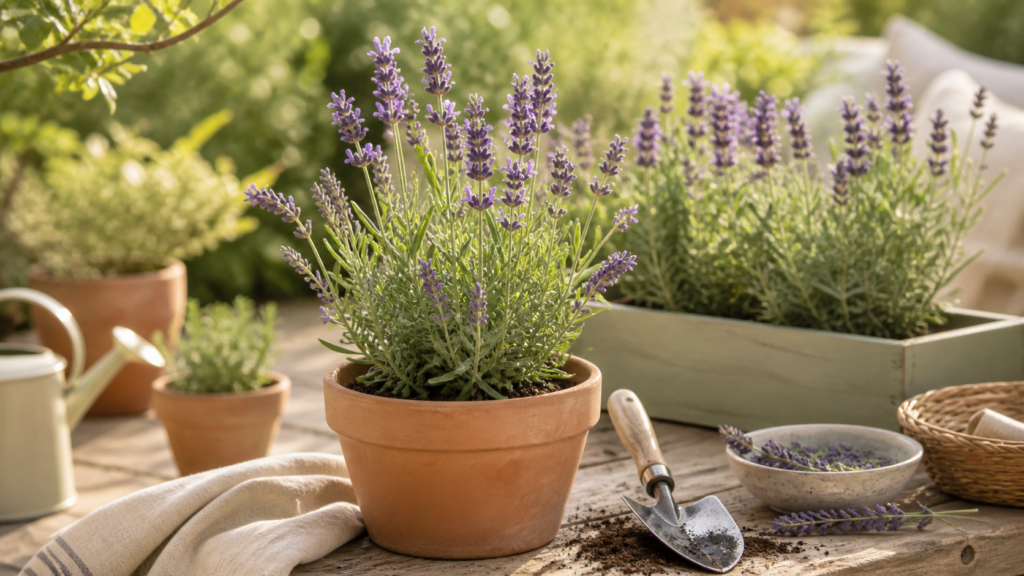
Lavender is one of the most rewarding herbs you can grow at home. It’s beautiful, fragrant, incredibly versatile medicinally, and once established it’s one of the most drought-tolerant and low-maintenance plants in any garden.
A single established lavender plant produces enough flowers for teas, tinctures, infused oils, sachets, and essential oil every season — for years. This is your complete guide on how to grow lavender at home successfully.
Quick Answer: How to Grow Lavender at Home
Plant English lavender (Lavandula angustifolia) in full sun with at least 6 hours of direct light daily. Use well-draining, slightly alkaline soil — poor drainage is the number one killer of lavender. Water deeply but infrequently, allowing soil to dry completely between waterings. Harvest when 25-50% of flower spikes are open for maximum medicinal potency. One established plant produces lavender for 10+ years.
What You’ll Learn
- Which lavender variety is best for medicinal use and why it matters
- The non-negotiable growing requirements lavender needs to thrive
- How to start lavender from seed vs cuttings — which is faster
- When and how to harvest for maximum linalool content
- How to use homegrown lavender for tea, tinctures, infused oil, and more
- How to troubleshoot the most common lavender problems
Why Grow Your Own Lavender
Freshness and potency — freshly harvested lavender contains significantly higher levels of linalool and linalyl acetate — the compounds responsible for its medicinal effects — than dried lavender that has been sitting in storage.
Variety selection — growing your own allows you to choose varieties specifically for medicinal use rather than settling for whatever’s available commercially.
Cost — one lavender plant costs $5-10 and produces lavender for 10+ years. The equivalent in purchased dried lavender would cost hundreds of dollars over that time.
Beauty — lavender is one of the most beautiful garden plants. Its purple flower spikes and silver-green foliage add structure and fragrance to any outdoor space.
Choosing the Right Lavender Variety
Not all lavender is equal for medicinal use. Here’s what you need to know:
English Lavender (Lavandula angustifolia) — the best medicinal variety. Highest linalool content, sweetest fragrance, most calming properties. Best for teas, tinctures, and essential oil. Varieties to look for: Hidcote, Vera, Munstead, Melissa.
French Lavender (Lavandula dentata) — more ornamental than medicinal. Lower linalool content. Beautiful but less therapeutically potent.
Spanish Lavender (Lavandula stoechas) — distinctive butterfly-shaped flowers. Medicinally active but different compound profile from English lavender. Not the best choice for traditional medicinal use.
Lavandin (Lavandula x intermedia) — a hybrid of English and spike lavender. Higher camphor content than English lavender — good for pain relief applications but less suitable for calming and sleep uses.
For Root Freedom purposes — plant English lavender. Hidcote and Vera are the most medicinal varieties.
Where to get seeds: English lavender seeds from Seeds Now.
Growing Requirements
Lavender has specific requirements that are non-negotiable for success:
Sunlight: Full sun — minimum 6 hours direct sunlight daily. Lavender evolved in the Mediterranean and needs sun to thrive. Insufficient sun produces leggy weak plants with poor fragrance and medicinal potency.
Soil: Well-drained, slightly alkaline soil is essential. Lavender roots rot in wet soil — this is the most common cause of lavender death. Sandy or rocky soil that drains quickly is ideal. Add sand or perlite to heavy clay soils. Raised beds are excellent for lavender.
pH: 6.5-7.5. Slightly alkaline. Add lime if your soil is acidic.
Watering: Drought tolerant once established — water deeply but infrequently. Allow soil to dry completely between waterings. Overwatering is the number one killer of lavender.
Temperature: Hardy in USDA zones 5-9 depending on variety. English lavender is the most cold-hardy.
Starting From Seed
Lavender can be grown from seed but requires patience — it germinates slowly and takes 2-3 years to reach full production. Start seeds indoors 8-12 weeks before your last frost date.
Seed starting process:
Lavender seeds benefit from cold stratification — refrigerate seeds in a damp paper towel for 2-4 weeks before planting to mimic winter conditions and improve germination rates.
Sow seeds in a well-draining seed starting mix. Press seeds gently onto the surface — lavender needs light to germinate, don’t bury deeply. Mist gently with water.
Place in a bright warm location — 65-70°F for germination. A heat mat under the seed tray improves germination significantly. Keep soil lightly moist but never waterlogged.
Germination takes 14-28 days — be patient. Lavender is slow but worth the wait.
Transplant seedlings outdoors after all frost danger has passed and plants have developed 4-6 true leaves.
Get your lavender seeds from: Seeds Now
Starting From Cuttings
Propagating from cuttings is faster than seed and produces plants identical to the parent. If you have access to an established English lavender plant this is the preferred propagation method.
Take 4-6 inch cuttings from soft green growth in spring or semi-hardwood in late summer. Strip leaves from the bottom 2 inches. Dip in rooting hormone if available. Insert into well-draining potting mix. Keep moist and in bright indirect light until roots develop — 4-8 weeks.
Planting Out
Space lavender plants 18-24 inches apart — they spread significantly and need air circulation to prevent fungal issues. Plant in a raised bed or sloping ground for maximum drainage.
Water in well after planting then back off — lavender establishes best with less water than most plants.
Caring for Established Lavender
Watering: Once established water deeply every 2-3 weeks in summer. Less in spring and fall. Almost none in winter in most climates.
Fertilizing: Lavender needs very little fertilizer — too much produces lush leafy growth with less fragrance and medicinal potency. A light application of compost in early spring is sufficient.
Pruning: The most important lavender care task. Prune immediately after flowering — cut back by about one-third of the plant’s height. Never cut into old woody growth — lavender doesn’t regenerate from old wood. Annual pruning keeps plants compact and productive for many years.
Winter care: In colder climates mulch around the base of plants after the ground freezes — not before, which can cause crown rot. Remove mulch in early spring.
Harvesting for Medicinal Use
When to harvest: Harvest when flowers are just beginning to open — typically 25-50% of the flower spikes on each stem are open. This is when linalool content is highest.
Time of day: Harvest in the morning after dew has dried but before the heat of the day.
How to harvest: Cut flower stems just above the leaves with sharp clean scissors or pruning shears. Take no more than one-third of the plant in a single harvest. Multiple harvests per season are possible with proper timing.
Drying harvested lavender: Bundle 10-15 stems and hang upside down in a warm dry spot away from direct light. Lavender dries fully in 1-3 weeks. Check our complete herb drying guide for detailed drying and storage instructions.
Using Your Homegrown Lavender
Tea: Steep 1 teaspoon of dried lavender buds in hot water for 10 minutes. Drink for anxiety, stress, and sleep support.
Tincture: Pack fresh or dried lavender into a jar and cover with vodka. Infuse 4-6 weeks. Take 30 drops in water for acute anxiety or stress.
Infused oil: Pack dried lavender into a jar and cover with jojoba oil. Cold infuse for 4-6 weeks. Use as a facial oil or base for salve. See our complete herbal infused oil guide.
Sachets: Fill small fabric pouches with dried lavender buds. Place inside pillowcases for sleep support or in drawers as a natural moth repellent.
Bath: Add a handful of dried lavender buds to a muslin bag and hang from the bath tap as hot water runs through it. Or add lavender infused oil directly to bath water.
Fresh bouquets: Fresh lavender in vases fills a room with calming fragrance. Keep near your bed or workspace.
If you want to go deeper on lavender’s medicinal uses and how to incorporate it into a complete herbal practice, the Herbal Academy offers excellent courses covering nervine and aromatic herbs from traditional and clinical perspectives.
Troubleshooting Common Lavender Problems
Plant dying or yellowing: Almost always overwatering or poor drainage. Check soil — if it’s consistently moist improve drainage immediately.
Leggy weak growth: Insufficient sunlight. Move to a sunnier location if possible.
No flowers: Too much nitrogen from over-fertilizing or not enough sun. Reduce or eliminate fertilizer and ensure full sun.
Fungal disease: Poor air circulation. Space plants properly and prune annually. Remove and dispose of affected plant material.
Not hardy in your zone: Try growing in containers that can be brought indoors for winter, or mulch heavily and hope for a mild winter.
At a Glance
| Topic | Detail |
| Best variety | English lavender — Hidcote or Vera |
| Sunlight | Full sun — 6+ hours daily |
| Soil | Well-drained, slightly alkaline |
| Watering | Deep but infrequent — drought tolerant |
| Harvest timing | 25-50% of buds open |
| Harvest time of day | Morning after dew dries |
| Drying Time | 1-3 weeks hung upside down |
| Seed germination | 14-28 days after cold stratification |
| Years to full production | 2-3 years from seed |
| Plant Lifespan | 10+ years with proper pruning |
Key Takeaways
- English lavender (Lavandula angustifolia) is the best medicinal variety — highest linalool content, most calming properties
- Full sun and excellent drainage are non-negotiable — overwatering and shade are the two most common causes of lavender failure
- Harvest when 25-50% of flower spikes are open — this is when medicinal potency is highest
- Prune immediately after flowering, cutting back one-third — never cut into old woody growth
- One established lavender plant produces usable harvests for 10+ years making it one of the highest value herbs you can grow
- Fresh homegrown lavender contains significantly higher linalool levels than commercially purchased dried lavender
Frequently Asked Questions
How long does lavender take to grow from seed? Lavender is slow from seed — expect 14-28 days for germination and 2-3 years before plants reach full production. Cold stratification of seeds in the refrigerator for 2-4 weeks before planting significantly improves germination rates. If you want faster results start from cuttings or purchase a small established plant.
Can lavender grow in Texas and hot southern climates? Yes — English lavender grows well in most of Texas and the South in USDA zones 5-9. The key is excellent drainage and full sun. In South Texas the intense summer heat is manageable if drainage is perfect and plants are not overwatered. Raised beds are ideal in areas with heavy clay soil.
Why is my lavender dying? The most common cause of lavender death is overwatering or poor drainage. Lavender roots rot quickly in consistently moist soil. Check drainage first — if soil stays wet improve it immediately by adding sand or perlite, or transplant to a raised bed. The second most common cause is insufficient sunlight.
How do I know when to harvest lavender? Harvest when 25-50% of the flower spikes on each stem are just beginning to open. This is when linalool content — the primary medicinal compound — is at its highest. Harvest in the morning after dew has dried. Never harvest more than one-third of the plant at one time.
Can I grow lavender in a container? Yes — lavender grows well in containers with proper drainage. Use a terracotta pot with drainage holes and a well-draining mix of potting soil and perlite or coarse sand. Container lavender may need more frequent watering than in-ground plants but still allow soil to dry between waterings. Container growing is ideal for colder climates where plants can be brought indoors for winter.
What is the difference between English and French lavender? English lavender (Lavandula angustifolia) is the most medicinally potent — highest linalool content, sweetest fragrance, best for teas and tinctures. French lavender (Lavandula dentata) is more ornamental with lower medicinal potency. For herbal use always choose English lavender varieties like Hidcote, Vera, or Munstead.
How do I dry lavender at home? Bundle 10-15 stems and hang upside down in a warm dry spot away from direct light. Lavender dries fully in 1-3 weeks. Check that stems snap cleanly before storing — any remaining moisture causes mold. Store in an airtight glass jar away from light and heat. Properly dried lavender keeps 12 months.
Related Posts You’ll Love
- How to Start a Medicinal Herb Garden From Scratch — add lavender to your complete herb garden
- How to Dry and Store Herbs From Your Garden — preserve your lavender harvest properly
- How to Make Herbal Infused Oil at Home — turn your lavender harvest into healing oil
- 3 Everyday Herbs to Calm Your Nerves — lavender in action for anxiety and stress
- Natural Sleep Routine Using Herbs Step by Step — lavender as the centerpiece of your sleep routine
- How to Grow Tulsi at Home — Complete Guide to Holy Basil — another aromatic medicinal herb that thrives alongside lavender in warm weather gardens
Growing your own herbs and not sure which ones are right for your wellness goals? Take our free Natural Wellness Assessment and get a personalized herbal remedy report delivered straight to your inbox.
Get Your Free Natural Home Remedies Quick Reference Card
12 common ailments, the herb that helps, and exactly how to use it — free instant download.
This post contains affiliate links. Root Freedom may earn a commission when you purchase through our links at no extra cost to you. This content is for informational purposes only and is not intended as medical advice. Always consult a healthcare professional before beginning any new herbal regimen.