Written by Chad & Millie of Root Freedom
If your nerves have been running the show lately — the racing thoughts, the tight chest, the inability to just settle — you’re not alone. Stress has become the background noise of modern life. But before you reach for anything else, nature left us some remarkably effective tools growing right in the ground. There are 3 Everyday Herbs that will help Calm Your Nerves.
Chamomile, lemon balm, and lavender have been used for centuries to calm the nervous system, ease anxiety, and help the body find its way back to rest. They’re gentle, accessible, and backed by a growing body of research. And the best part? You can grow them yourself, brew them into tea, and start feeling the difference within days.
This is your beginner-friendly guide to 3 everyday herbs to calm your nerves and some of the most powerful calming herbs in nature’s medicine cabinet.
Quick Answer
Chamomile, lemon balm, and lavender are three of the most accessible and well-researched herbs for calming the nervous system naturally. Chamomile reduces anxiety through GABA receptor activity, lemon balm inhibits the enzyme that breaks down calming GABA, and lavender works through both inhalation and internal use to reduce cortisol and nervous system activation. Used individually or together they provide gentle, non-habit-forming nervous system support for everyday stress and anxiety.
What You’ll Learn
- How chamomile, lemon balm, and lavender each calm the nervous system through different mechanisms
- The most effective ways to use each herb — tea, tincture, essential oil, and capsule
- How to combine all three for enhanced calming effec
- A simple daily nervous system support protocol using these three herbs
- Who should use caution with calming herbs
Chamomile — The Original Chill Pill
Chamomile is probably the most recognized calming herb on the planet — and for good reason. This small daisy-like flower has been used since ancient Egypt to ease anxiety, settle upset stomachs, and prepare the body for deep, restful sleep.
What it does: Chamomile contains an antioxidant called apigenin, which binds to receptors in your brain that promote relaxation and reduce insomnia. Studies have shown that chamomile extract can significantly reduce symptoms of generalized anxiety disorder. It also has anti-inflammatory properties that help calm the physical symptoms of stress — tension headaches, digestive upset, muscle tightness.
How to use it:
Tea: Steep 1–2 teaspoons of dried chamomile flowers in hot water for 5–10 minutes. Drink 1–3 cups daily, especially before bed.
Tincture: Add 30 drops to a small glass of water up to three times daily.
Bath soak: Add a strong chamomile tea brew to your bath for full-body nervous system relief.
Essential oil: Diffuse Roman chamomile oil in your bedroom at night or apply diluted to your wrists and temples.
Where to buy: For high-quality dried chamomile flowers perfect for teas and tinctures, Starwest Botanicals Dried Chamomile flowers is our top recommendation. Their organic chamomile is sustainably sourced and genuinely aromatic — you’ll notice the difference immediately.
Lemon Balm — The Mood Lifter You’ve Never Heard Of
Lemon balm is the underdog of the calming herb world. Less famous than chamomile, less trendy than lavender — but arguably just as effective, especially for anxiety that comes with a side of low mood or mental fog.
What it does: Lemon balm works by increasing GABA activity in the brain — the same pathway targeted by many anti-anxiety medications, but gently and naturally. Research has shown it can reduce anxiety and insomnia, improve cognitive performance under stress, and even lift mild depression. It has a light, citrusy scent and a pleasant taste that makes it easy to incorporate daily.
How to use it:
Tea: Steep 1–2 teaspoons of fresh or dried lemon balm leaves for 10 minutes. Drink up to 3 cups daily. Combine with chamomile for a powerful calming blend.
Tincture: 30–60 drops in water, up to three times daily.
Capsules: 300–600mg of lemon balm extract is a common therapeutic dose used in studies.
Fresh leaves: Add fresh leaves to smoothies, salads, or cold water for a calming daily habit.
Where to buy: You can find premium dried lemon balm at Starwest Botanicals Dried Lemon Balm. If you’d rather grow your own from seed — which we highly recommend — grab lemon balm seeds from our trusted source below.
👉 Get organic, non-GMO herb seeds here
It’s one of the easiest herbs to grow and comes back year after year.
Lavender — Nature’s Anxiety Medicine
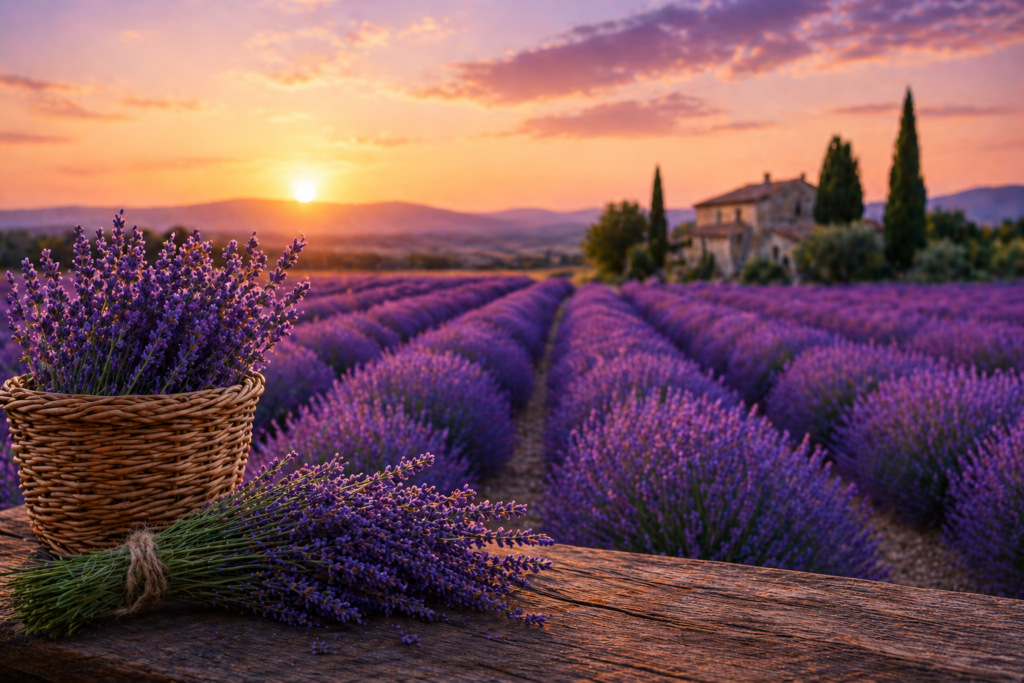
Lavender needs no introduction. Its scent alone is enough to lower your heart rate, and science has confirmed what grandmothers have known forever — this purple flowering herb is one of the most effective natural remedies for anxiety and stress on the planet.
What it does: Lavender contains linalool and linalyl acetate, compounds that have been shown to reduce anxiety, slow heart rate, and improve sleep quality. A licensed oral lavender preparation called Silexan has been clinically proven to reduce generalized anxiety as effectively as some prescription medications — without the side effects or dependency risk. Even just inhaling lavender essential oil for a few minutes produces measurable reductions in cortisol, your primary stress hormone.
How to use it:
Aromatherapy: Diffuse lavender essential oil for 30–60 minutes in your home, especially in the evening. Add a few drops to your pillow.
Tea: Steep 1 teaspoon of dried lavender buds in hot water for 10 minutes. Combine with chamomile for a deeply relaxing bedtime blend.
Topical: Dilute lavender essential oil in a carrier oil (coconut or jojoba) and apply to pulse points — wrists, temples, behind the ears.
Bath: Add 10–15 drops of lavender essential oil to a warm bath with Epsom salts for full nervous system reset.
Where to buy: For a simple, high-quality option, use this organic lavender oil for calming effects before bed: 👉 Use this lavender oil for fast calming effects
For dried lavender buds for teas and home remedies, mountainroseherbs.com is our go-to source.
Grow Your Own Calming Garden
Here’s something most wellness blogs won’t tell you: all three of these herbs are remarkably easy to grow at home, even in small spaces. A windowsill, a patio, or a small garden bed is all you need.
Growing your own calming herbs means you have a fresh, organic, unlimited supply on hand whenever you need it. No running to the store. No wondering about sourcing or quality. Just step outside and harvest.
Chamomile grows easily from seed, prefers full sun, and self-seeds year after year once established. German chamomile is the most common variety for medicinal use.
Lemon balm is practically indestructible. It loves sun or partial shade, grows fast, and spreads abundantly. Plant it in a container if you don’t want it taking over your garden.
Lavender prefers well-drained soil and full sun. It’s drought tolerant once established and will reward you with years of harvests. English lavender is the best variety for medicinal and culinary use.
For non-GMO, organic herb seeds for all three, 👉 Get organic, non-GMO herb seeds here.
This is where we source ours at Root Freedom. Their seed quality is exceptional, and they carry everything you need to start your own calming herb garden from scratch.
Quick Comparison: Which Herb Is Right for You?
| Herb | Best for | Easiest to use | Grows easily? | Key active compound |
|---|---|---|---|---|
| Chamomile | Sleep + digestive calm | Tea | Yes | Apigenin |
| Lemon Balm | Anxiety + mental fog | Tea or fresh | Very easy | Rosmarinic acid |
| Lavender | Acute anxiety + stress | Aromatherapy | Moderate | Linalool |
All three work well together. A tea blend of chamomile and lemon balm in the evening, with lavender diffusing in the background, is one of the most effective natural wind-down routines you can build.
If you want to go deeper on understanding how these herbs work and build a real herbal practice, the Herbal Academy is where we’d point you — we put together an honest review here.
Start Small, Feel the Difference
You don’t need to overhaul your entire life to feel calmer. Start with one herb. Brew a cup of chamomile tea tonight instead of scrolling before bed. Add lemon balm to your morning routine. Diffuse lavender while you work.
Small, consistent habits with these three herbs can make a measurable difference in how your nervous system responds to daily stress — naturally, gently, and sustainably.
Key Takeaways
- Chamomile works through GABA-A receptor binding — the same pathway as anti-anxiety medications but gently and without dependency risk
- Lemon balm inhibits GABA transaminase — the enzyme that breaks down calming GABA — effectively extending its calming effect
- Lavender works through both aromatherapy and internal use — silexan the active compound in oral lavender has clinical trial support comparable to low-dose pharmaceuticals for generalized anxiety
- All three herbs are non-habit-forming and considered safe for daily long-term use at normal doses
- Combining all three creates a synergistic calming effect that is greater than any single herb alone
- Chamomile tea before bed is one of the most evidence-supported and accessible natural sleep aids available
- Consistent daily use produces better results than occasional use during acute stress
Frequently Asked Questions
Which of these three herbs is best for anxiety?
All three address anxiety through different mechanisms making them complementary rather than competitive. For acute anxiety lavender essential oil inhaled or taken as a silexan supplement produces the fastest relief. For ongoing daily anxiety management lemon balm taken consistently may produce the most sustained benefit. Chamomile is the most versatile — effective for both anxiety and sleep.
Can I use all three herbs together?
Yes — chamomile, lemon balm, and lavender work well together and their different mechanisms complement each other. Many commercial calming herbal blends combine all three. Start with one herb at a time to identify how each affects you before combining them.
How long does it take for these herbs to work?
For acute stress relief chamomile tea and lavender aromatherapy can produce noticeable calming within 20-30 minutes. For consistent anxiety reduction with daily use most people notice meaningful improvement within 2-4 weeks of consistent use.
Are these herbs safe to take every day?
Yes — chamomile, lemon balm, and lavender are all considered safe for daily long-term use at normal therapeutic doses. They are non-habit-forming and do not produce the dependency or withdrawal effects associated with pharmaceutical anti-anxiety medications.
Can I give these herbs to my children?
Chamomile tea is generally considered safe for children over 6 months in small amounts and has traditional use for colicky infants. Lemon balm tea is widely used for children’s anxiety and sleep. Lavender aromatherapy is safe for children though essential oils should always be diluted before any skin contact. Consult your pediatrician before giving any herbal supplement to young children.
Do these herbs interact with medications?
Chamomile has mild blood thinning properties — use caution if taking warfarin. Lemon balm may enhance the effects of sedative medications. Lavender may enhance sedative effects when combined with sleep medications. Always inform your healthcare provider of all herbs and supplements you take especially if you are on prescription medications.
If you want to go deeper on nervine herbs and how to build a complete herbal stress management protocol, the Herbal Academy offers excellent courses covering the nervous system herbs in depth — from traditional use to modern clinical applications.
Struggling with stress or anxiety and not sure which calming herbs are right for your specific situation? Take our free Natural Wellness Assessment and get a personalized herbal remedy report delivered straight to your inbox.
Related Posts You’ll Love
- Natural Remedies for Headaches Without Medication — chamomile, lemon balm, and lavender are powerful allies against stress and tension headaches
- Best Herbs for Anxiety — A Complete Beginner Guide — take your calm nerves routine deeper with a full anxiety herb guide
- Best Adaptogenic Herbs for Stress Resilience — build long-term stress resilience alongside your daily calming herbs
- Natural Remedies for Burnout and Stress — Root Freedom — when everyday stress becomes chronic burnout
- Natural Sleep Routine Using Herbs Step by Step — calm nerves at night for deeper, more restorative sleep
- How to Make an Herbal Steam at Home — the stress relief steam recipe uses these same three herbs for instant nervous system calming
Get Your Free Natural Home Remedies Quick Reference Card
12 common ailments, the herb that helps, and exactly how to use it — free instant download.
This post contains affiliate links. Root Freedom may earn a commission when you purchase through our links at no extra cost to you. This content is for informational purposes only and is not intended as medical advice. Always consult a healthcare professional before beginning any new herbal regimen.