
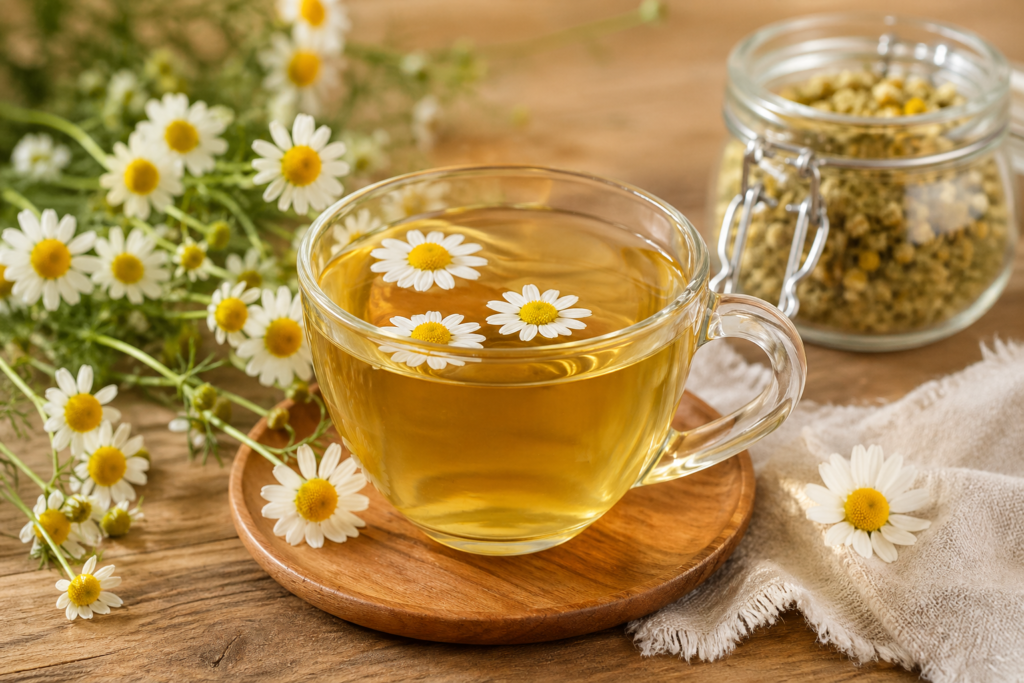
These 3 natural herbs are used to calm your nervous system — without medication.
Can’t Sleep or Shut Off Your Mind at Night?
If you’ve ever lain awake at midnight with your mind running through tomorrow’s to-do list, replaying a conversation from three days ago, or simply refusing to slow down — you already know that sleep isn’t just about being tired. It’s about your nervous system feeling safe enough to let go.
The good news: nature has given us some remarkably effective tools for exactly this problem. Chamomile, lemon balm, and lavender have been used for centuries to calm racing thoughts, quiet anxiety, and prepare the body and mind for deep, restorative sleep — without medication, without grogginess the next morning, and without dependency.
This is your practical guide to using these three herbs tonight.
Quick Answer
Chamomile, lemon balm, and lavender are the three most effective herbs for calming a racing mind at night. Brew chamomile and lemon balm tea 60 minutes before bed and diffuse lavender in the bedroom simultaneously. This three-herb combination addresses both the physical and mental dimensions of sleeplessness — physical relaxation, mental tension, and nervous system activation — without medication, grogginess, or dependency.
Why Your Mind Won’t Shut Off at Night
Before we get into the herbs, it helps to understand what’s actually happening when your mind races at bedtime. During the day, activity and stimulation keep your nervous system in a mild state of fight-or-flight. When you finally lie down and remove all distractions, your brain doesn’t automatically switch off — it keeps processing, worrying, and planning.
The herbs below work by directly supporting your nervous system’s ability to shift into rest-and-digest mode. They’re not sedatives that knock you out. They’re nervous system regulators that help your body do what it already knows how to do — rest.
What You’ll Learn
- Why your mind races at night and how these herbs address the root cau
- How chamomile, lemon balm, and lavender each calm the nervous system differently
- A simple step-by-step herbal night routine to start tonight
- Which herb works best for your specific sleep problem
- How to grow all three herbs at home for a continuous supply
1. Chamomile — The Original Sleep Herb
Chamomile is probably the most recognized calming herb on the planet, and for good reason. This small daisy-like flower has been used since ancient Egypt to ease anxiety, settle the digestive system, and prepare the body for deep, restful sleep.
What it does: Chamomile contains an antioxidant called apigenin, which binds to receptors in your brain that promote relaxation and reduce insomnia. It also has anti-inflammatory properties that calm the physical symptoms of a wound-up nervous system — tight muscles, tension headaches, and digestive discomfort that often accompany a busy mind.
How to use it for sleep:
Steep 1–2 teaspoons of dried chamomile flowers in hot water for 10 minutes. Drink one cup 30 to 60 minutes before bed. Add a small spoonful of raw honey if you prefer it sweeter — honey also supports stable blood sugar through the night, which helps prevent early waking.
For stronger effect, combine chamomile with lemon balm (see below) into a single bedtime blend. The two herbs work synergistically and taste wonderful together.
Where to get it: For high-quality dried chamomile flowers for teas and tinctures, Starwest Botanicals organic chamomile is our top recommendation. If you’d like to grow your own — chamomile is one of the easiest herbs to grow from seed and self-seeds year after year once established — get seeds from Seeds Now.
2. Lemon Balm — For Racing Thoughts and Mental Tension
Lemon balm is the underdog of the sleep herb world. Less famous than chamomile, less trendy than lavender — but arguably the most effective of the three specifically for a mind that won’t stop running.
What it does: Lemon balm works by increasing GABA activity in the brain — the same calming pathway targeted by many sleep medications, but gently and without the side effects. Research has shown that lemon balm can reduce anxiety and insomnia, improve cognitive performance under stress, and significantly reduce the mental restlessness that makes falling asleep so difficult. It has a light, pleasant citrus scent and taste that makes it genuinely enjoyable to drink every evening.
How to use it for sleep:
Steep 1–2 teaspoons of dried lemon balm leaves in hot water for 10 minutes. Drink one cup 30 to 60 minutes before bed. Combine with chamomile for a powerful sleep-supporting blend that addresses both the physical and mental sides of sleeplessness.
For stronger or faster results, lemon balm tincture works well — add 30 to 60 drops to a small glass of water about an hour before bed.
Where to get it: Dried lemon balm from Starwest Botanicals Dried Lemon Balm is excellent for teas. Lemon balm is also one of the easiest herbs to grow at home — it’s practically indestructible, thrives in sun or partial shade, and comes back abundantly every year. Get seeds from Seeds Now.
3. Lavender — Fast-Acting Calm Through Scent
Lavender needs no introduction. Its scent alone is enough to measurably lower your heart rate, and science has confirmed what grandmothers have known for generations — this purple flowering herb is one of the most effective natural remedies for anxiety and sleeplessness available.
What it does: Lavender contains linalool and linalyl acetate, compounds shown to reduce anxiety, slow heart rate, and improve sleep quality. Even inhaling lavender essential oil for a few minutes produces measurable reductions in cortisol, your primary stress hormone. A clinical oral lavender preparation has been shown to reduce generalized anxiety as effectively as some prescription medications — without dependency or side effects.
How to use it for sleep:
Add 5 drops of lavender essential oil to a diffuser and run it in your bedroom for 30 to 60 minutes before and during sleep. Alternatively, place 1 to 2 drops on your pillow or add diluted lavender oil to your wrists and temples as part of your wind-down routine.
For a particularly powerful sleep ritual, draw a warm bath and add 10 to 15 drops of lavender essential oil with a cup of Epsom salts. Twenty minutes in a lavender bath before bed is one of the most effective natural sleep tools that exists.
Lavender tea is also worth trying — steep 1 teaspoon of dried lavender buds in hot water for 10 minutes and combine with chamomile for a deeply relaxing bedtime blend.
Where to get it: Cliganic is our recommendation for essential oil. For dried lavender buds for teas, Starwest Botanicals dried lavender is a reliable source. To grow your own, lavender seeds are available from Seeds Now — it prefers well-drained soil and full sun and rewards you with years of harvests.
Your Simple Herbal Night Routine
You don’t need all three herbs to start feeling a difference — but combining them is where the real magic happens. Here’s a simple routine to try tonight:
60–90 minutes before bed: Brew a tea using 1 teaspoon each of dried chamomile and dried lemon balm. Steep for 10 minutes. Sit somewhere quiet and drink it slowly — away from screens.
30 minutes before bed: Start your lavender diffuser in the bedroom, or add a few drops to your pillow.
Optional: Draw a warm lavender and Epsom salt bath for 20 minutes before bed if you’re dealing with significant physical tension or a particularly restless mind.
Do this consistently for 5 to 7 nights. These herbs work best when your nervous system has time to recognize and respond to the routine. The ritual itself — the same tea, the same scent, the same wind-down sequence — trains your body that sleep is coming, which amplifies the effect of the herbs over time.
At a Glance — Which Herb Does What
| Herb | Best for | Easiest way to use | Time to effect |
|---|---|---|---|
| Chamomile | Physical relaxation + sleep onset | Tea | 30–60 minutes |
| Lemon balm | Racing thoughts + mental tension | Tea or tincture | 30–45 minutes |
| Lavender | Acute anxiety + stress + atmosphere | Diffuser or bath | 15–30 minutes |
All three work well together and are safe to combine. For most people, the chamomile and lemon balm tea paired with lavender aromatherapy covers every dimension of a restless, overactive mind.
If you want to go deeper on understanding how herbs support sleep and the nervous system, the Herbal Academy is where we’d point you — we put together an honest review here if you want to see what’s inside.
Key Takeaways
- Chamomile’s apigenin binds to the same brain receptors as anti-anxiety medication — gently and without dependency
- Lemon balm specifically targets mental racing and cognitive tension at bedtime — the most overlooked sleep herb
- Lavender aromatherapy reduces cortisol measurably within 15-30 minutes — works from the very first night
- The ritual itself — same tea, same scent, same routine — trains your nervous system that sleep is coming and amplifies the herbs over time
- All three herbs are safe for nightly use indefinitely — non-habit-forming and non-sedating
- Consistency over 5-7 nights produces significantly better results than occasional use
- Combining all three covers every dimension of a restless overactive mind simultaneously
Frequently Asked Questions
What is the best herb for sleep when your mind won’t stop? Lemon balm is the most targeted herb specifically for mental restlessness and racing thoughts at night. Combine it with chamomile for physical relaxation and lavender for atmosphere and you have a complete natural sleep system.
How long does it take for herbal sleep remedies to work? Most people notice a difference within the first night or two. The full effect builds over 5 to 7 days of consistent use as your nervous system adapts to the routine.
Can I use these herbs every night? Yes — chamomile, lemon balm, and lavender are all safe for nightly use. They are not habit-forming and do not lose effectiveness over time the way sleep medications can.
Are these herbs safe during pregnancy? Lavender aromatherapy is generally considered safe in pregnancy. Chamomile and lemon balm teas should be used cautiously — always check with your midwife or healthcare provider before using any herbal remedy while pregnant or breastfeeding.
Do these herbs work for anxiety as well as sleep? All three are effective for daytime anxiety, not just nighttime sleeplessness. Lemon balm and chamomile can be drunk as tea throughout the day, and lavender can be diffused or applied topically anytime you need to calm down quickly.
Related Posts You’ll Love
- 3 Everyday Herbs to Calm Your Nerves — a deeper dive into chamomile, lemon balm, and lavender for daily stress and anxiety
- Natural Sleep Routine Using Herbs Step by Step — build a complete herbal sleep routine from scratch
- Best Herbs for Anxiety — A Complete Beginner Guide — when sleeplessness is driven by anxiety and nervous tension
- Best Adaptogenic Herbs for Stress Resilience — address the chronic stress that keeps your mind running at night
- Natural Remedies for Headaches Without Medication — poor sleep and tension are common headache triggers, these herbs address both
- Natural Remedies for Insomnia — What Actually Works — go deeper on chronic sleep issues
- Herbal Academy Review — Is It Worth It? — learn herbalism properly with the most trusted online herbalism school
Struggling with sleep and not sure which herbs are right for your specific situation? Take our free Natural Wellness Assessment and get a personalized herbal remedy report delivered straight to your inbox.
Get Your Free Natural Home Remedies Quick Reference Cardt
12 common ailments, the herb that helps, and exactly how to use it — free instant download.
This post contains affiliate links. Root Freedom may earn a commission when you purchase through our links at no extra cost to you. This content is for informational purposes only and is not intended as medical advice. Always consult a healthcare professional before beginning any new herbal regimen.