
Written by Chad & Millie of Root Freedom
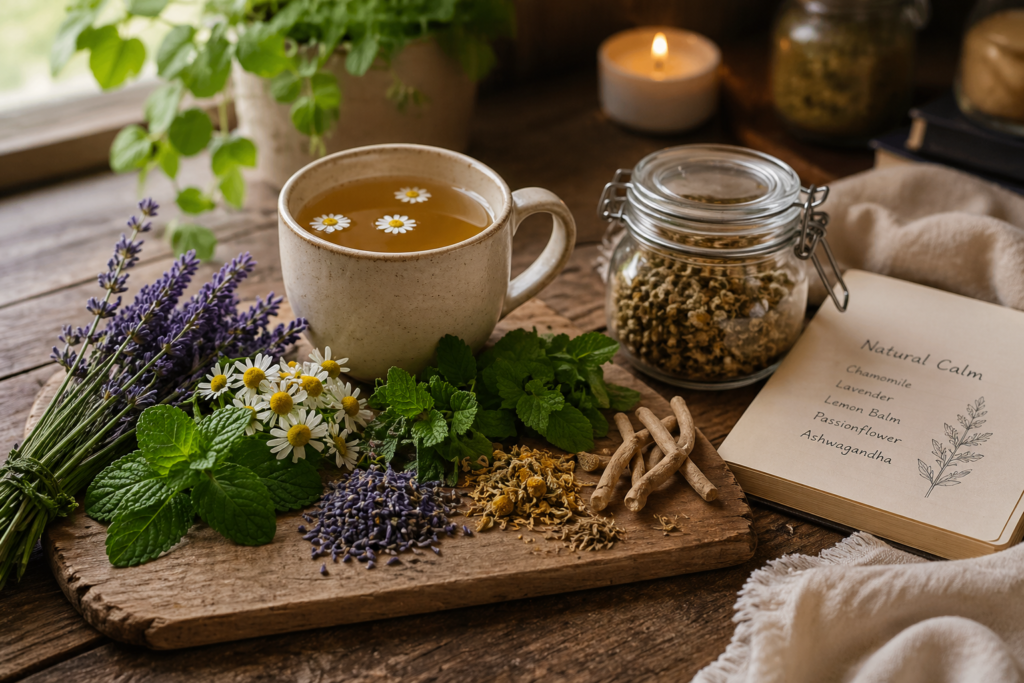
If you’ve ever opened your medicine cabinet during a headache, a sleepless night, or a stressful afternoon and wished there was something more natural inside — this post is for you. We’ve found 10 Herbs Every Natural Wellness Cabinet Needs.
Building a natural wellness cabinet doesn’t have to be complicated or expensive. You don’t need dozens of bottles or a degree in herbalism. You just need the right 10 herbs, a basic understanding of how to use them, and a reliable source to get them from.
This is exactly what we put together in our free Herbal Wellness Checklist — and today we’re breaking down each herb, what it does, and how to start using it at home.
Quick Answer
The 10 essential herbs every natural wellness cabinet needs are chamomile for sleep and calm, lavender for stress and anxiety, lemon balm for mood and mental clarity, peppermint for headaches and digestion, echinacea for immune support, ginger for nausea and inflammation, valerian root for deep sleep, elderberry for cold and flu season, ashwagandha for stress and energy, and calendula for skin and healing. These ten herbs handle the vast majority of everyday wellness needs naturally.
What You’ll Learn
- The 10 most important herbs to have on hand for everyday natural wellness
- What each herb does best and exactly how to use it
- Where to source quality herbs at every price point
- How to start building your cabinet with just 3 herbs based on your biggest health concern
- How to grow your own herbs for a self-sufficient natural medicine cabinet
1. Chamomile — For Sleep and Calm
Chamomile is the cornerstone of any natural wellness cabinet. Its calming properties are well-documented and its taste is gentle enough for daily use.
Best for: Anxiety, insomnia, digestive upset, tension headaches
How to use: Steep 1–2 teaspoons of dried chamomile flowers in hot water for 10 minutes. Drink 1 cup before bed nightly.
Where to get it: Chamomile Seed for growing your own, or grab dried chamomile flowers from Starwest Botanicals dried chamomile flowers.
2. Lavender — For Stress and Anxiety
Lavender is nature’s most versatile calming herb. Whether diffused, applied topically, or brewed into tea, it works.
Best for: Acute stress, anxiety, headaches, sleep support
How to use: Add 5 drops of lavender essential oil to a diffuser in the evening. Or steep dried lavender buds into tea before bed.
Where to get it: Dried lavender buds from Starwest Botanicals Dried lavender buds.
For essential oil: Cliganic Lavender Essential Oil — USDA certified organic, our recommended source for therapeutic aromatherapy use.
3. Lemon Balm — For Mood and Mental Clarity
Lemon balm is the underrated gem of the herbal world. Light, citrusy, and remarkably effective for anxiety combined with brain fog.
Best for: Anxiety, low mood, mental fatigue, restlessness
How to use: Steep 1–2 teaspoons of dried lemon balm leaves, or a small handful of fresh leaves, in hot water for 10–15 minutes. Drink 1 cup as needed, up to 3 cups per day. For evening use, combine lemon balm with chamomile for a stronger calming tea blend. Start with 1 cup to see how your body responds.
Where to get it: Starwest Botanicals Dried Lemon Balm. Grow it from seed with Lemon Balm Seed — it’s nearly indestructible and comes back every year.
4. Peppermint — For Headaches and Digestion
Peppermint is one of the most useful herbs you can keep on hand. Fast acting, widely available, and effective for multiple conditions.
Best for: Tension headaches, nausea, bloating, low energy
How to use: For digestion, steep 1–2 teaspoons of dried peppermint leaf in hot water for 10 minutes and drink after meals as needed. For headache or tension support, dilute peppermint essential oil in a carrier oil before applying a small amount to the temples or back of the neck, avoiding the eyes. For quick mental refreshment, inhale peppermint aroma from tea, diluted oil, or a diffuser for a few minutes.
Where to get it: For tea and digestive support, use high-quality dried peppermint leaf → Starwest Botanicals Dried Peppermint leaf. For topical use or aromatherapy, choose a pure peppermint essential oil: Cliganic Peppermint Essential Oil — USDA certified organic. If you want to grow your own, peppermint is easy to start from seed or plants, but it spreads aggressively — keep it in a container. Gets the seeds at Seeds Now.
5. Echinacea — For Immune Support
When cold and flu season hits, echinacea is your first line of herbal defense. Studies show it can reduce the duration and severity of colds when taken at the first sign of symptoms.
Best for: Immune support, cold prevention, infection recovery
How to use: At the first sign of feeling run down, use echinacea as a tea or tincture for short-term immune support. For tea, steep 1–2 teaspoons of dried echinacea root or herb in hot water for 10–15 minutes and drink up to 3 cups daily. For tincture, follow the label directions, usually taken in water several times per day. Use for 7–10 days, then take a break rather than using it continuously.
Where to get it: Dried echinacea root from Starwest Botanicals dried echinacea root. Or grow your own purple coneflower with seeds from Seeds Now.
6. Ginger — For Nausea and Inflammation
Fresh or dried, ginger is one of the most powerful anti-inflammatory herbs available. It works fast and pairs well with almost every other herb on this list.
Best for: Nausea, inflammation, joint pain, digestive issues, circulation
How to use: Slice fresh ginger root and steep in hot water for 10 minutes. Add honey and lemon. Drink 2–3 cups daily when dealing with inflammation or nausea.
Where to get it: Fresh ginger from any grocery store. Dried ginger root powder from Starwest Botanicals Ginger root Powder.
7. Valerian Root — For Deep Sleep
If chamomile is a gentle nudge toward sleep, valerian root is a firm hand on your shoulder. It’s one of the most studied herbs for insomnia and anxiety.
Best for: Chronic insomnia, anxiety, racing mind at night
How to use: Take as a capsule (300–600mg) or brew dried root as tea 30–60 minutes before bed. The smell is strong — capsules are easier for most people.
Where to get it: Dried valerian root from Starwest Botanicals Dried Valerian root. Good capsules can be found on Amazon.
8. Elderberry — For Cold and Flu Season
Elderberry has exploded in popularity for good reason. It’s rich in antioxidants and has been shown to significantly reduce cold and flu duration.
Best for: Immune boosting, cold and flu recovery, antioxidant support
How to use: Make elderberry syrup at home — simmer dried elderberries with water, honey, cinnamon, and ginger. Take 1 tablespoon daily as prevention, 4 tablespoons daily when sick.
Where to get it: Dried elderberries from Starwest Botanicals dried Elderberries. One bag makes month’s worth of syrup.
9. Ashwagandha — For Stress and Energy
Ashwagandha is an adaptogen — meaning it helps your body adapt to stress rather than just masking symptoms. It’s become one of the most popular wellness herbs for good reason.
Best for: Chronic stress, fatigue, cortisol regulation, energy balance
How to use: Take 300–600mg of ashwagandha extract daily with food, preferably earlier in the day or in the evening depending on how your body responds. For powder, stir ½–1 teaspoon into warm milk, tea, or a smoothie. A traditional option is warm milk with ashwagandha, honey, cinnamon, and a pinch of turmeric. Start with a lower amount for the first week to assess tolerance.
Where to get it: Ashwagandha root powder from Starwest Botanicals Ashwagandha root powder. Our recommended capsules from Amazon.
10. Calendula — For Skin and Healing
Calendula is the herb most people overlook — and one of the most useful. It’s a powerhouse for skin health, wound healing, and inflammation when used topically.
Best for: Cuts, rashes, dry skin, eczema, inflammation, minor burns
How to use: For skin support, infuse dried calendula petals in coconut, olive, or jojoba oil for 4–6 weeks, then strain and apply the oil to dry skin, minor irritation, or rough areas as needed. You can also use the infused oil as the base for a simple salve by adding beeswax. For a faster option, choose a calendula-infused cream, balm, or lotion and apply topically. Do not use on deep wounds or serious burns.
Where to get it: Dried calendula petals from Starwest Botanicals Dried calendula buds. Grow your own with seeds from Amazon — one of the easiest flowers to grow.
How to Start Building Your Cabinet Today
You don’t need all 10 herbs at once. Start with three that match your biggest health concerns right now:
- Can’t sleep? Start with chamomile, lemon balm, and valerian.
- Stressed and anxious? Start with chamomile, lavender, and ashwagandha.
- Getting sick often? Start with echinacea, elderberry, and ginger.
Order dried herbs in small quantities, store them in airtight glass jars away from light and heat, and use them consistently. The results compound over time.
If you want to go deeper on any of these herbs and build a real herbal practice beyond a starter cabinet, the Herbal Academy offers excellent foundational and advanced herbalism courses — the best structured herbal education available online.
Key Takeaways
- You don’t need all 10 herbs at once — start with 3 that match your biggest health concern right now
- Chamomile and valerian together cover most sleep issues without dependency or morning grogginess
- Lavender is the most versatile herb on this list — stress, anxiety, headaches, skin, and sleep in one bottle
- Echinacea works best taken at the very first sign of illness not after you’re fully sick
- Elderberry syrup made at home costs a fraction of store-bought and provides months of immune support
- Ashwagandha works differently for different people — some do better taking it in the morning, others in the evening
- Store all dried herbs in airtight glass jars away from light and heat for maximum 1-2 year shelf life
Frequently Asked Questions
Where is the best place to buy quality herbs?
Starwest Botanicals is our most trusted source for quality dried herbs — organic, sustainably sourced, and consistently fresh. Seeds Now is our go-to for growing your own from seed. Amazon carries reputable supplement brands for capsule forms — always look for brands with transparent sourcing and third-party testing.
How should I store my herbal wellness cabinet?
Store all dried herbs in airtight glass jars — mason jars work perfectly — in a cool dark location away from heat and light. A dedicated cabinet or pantry shelf away from your stove is ideal. Properly stored dried herbs retain potency for 1-2 years. Label each jar with the herb name and date purchased.
Can I use multiple herbs at the same time?
Yes — most of the herbs on this list work well together. The calming herbs (chamomile, lemon balm, lavender, valerian) are commonly combined in evening tea blends. Echinacea and elderberry work synergistically during illness. Introduce new herbs one at a time so you can identify how each affects you before combining.
What if I can only afford to start with one herb?
Start with chamomile — it is the most affordable, most versatile, and most widely effective herb on the list. It addresses sleep, anxiety, digestion, and inflammation simultaneously making it the highest return on investment for a single herb purchase.
Is it better to buy herbs as tea, tincture, or capsule?
It depends on the herb and your preference. Teas are most economical and work well for gentle herbs like chamomile and lemon balm. Tinctures are more concentrated and useful for acute situations like immune support with echinacea. Capsules are most convenient for herbs like valerian and ashwagandha where the taste or smell is strong. All forms work — choose what you will actually use consistently.
Can children use these herbs?
Several herbs on this list are appropriate for children — chamomile tea, elderberry syrup, and ginger are widely used for children. Lavender aromatherapy is safe when properly diluted. Valerian, ashwagandha, and high-dose echinacea supplements are generally recommended for adults. Always consult your pediatrician before giving herbal remedies to young children.
Related Posts You’ll Love
- How to Make Elderberry Syrup at Home — step by step guide to making your own immune-boosting syrup from scratch
- Best Herbs for Anxiety — A Complete Beginner Guide — discover which herbs calm your nervous system naturally
- Natural Sleep Routine Using Herbs Step by Step — build a complete herbal wind-down routine for deeper sleep
- How to Start a Medicinal Herb Garden From Scratch — grow your own wellness cabinet herbs at home
- How to Dry and Store Herbs From Your Garden — keep your herbs potent for up to 2 years
- Herbal Academy Review — Is It Worth It? — our honest look at the best online herbalism school for beginners
Not sure which of these herbs are right for your specific health situation? Take our free Natural Wellness Assessment and get a personalized herbal remedy report delivered straight to your inbox.
Get Your Free Natural Home Remedies Quick Reference Card
12 common ailments, the herb that helps, and exactly how to use it — free instant download.
This post contains affiliate links. Root Freedom may earn a commission when you purchase through our links at no extra cost to you. This content is for informational purposes only and is not intended as medical advice. Always consult a healthcare professional before beginning any new herbal regimen.